Introduction
In the past, traditional classrooms focused on rote memorising and fact sharing. Today's knowledge economy rewards adaptability and original thinking, which is why creativity matters in education, even though information is just a search away.
Imagination and creative thinking have shifted from a mere co-curricular add-on. It's a cornerstone of intellectual development, emotional strength, and personal evolution.
Key Takeaways
- Creativity does not apply only to art; it is about producing new ideas that are both new and useful in every subject
- The importance of creative thinking for students helps students grow mentally, emotionally, and socially, and prepares them for the workforce.
- Creative thinking in early childhood, built through play, lays the foundation for later problem-solving.
- Creative classroom activities such as project-based learning enhance rather than weaken the students’ academic performance.
- A creative learning environment such as the one at Sunshine Worldwide School allows children to learn with joy instead of fear.
Defining Creativity and Creative Thinking Skills
Creativity is often mistaken for a talent reserved only for artists or a gifted few. In education, it simply means coming up with ideas that are both new and genuinely useful, whether in a science experiment or a history essay.
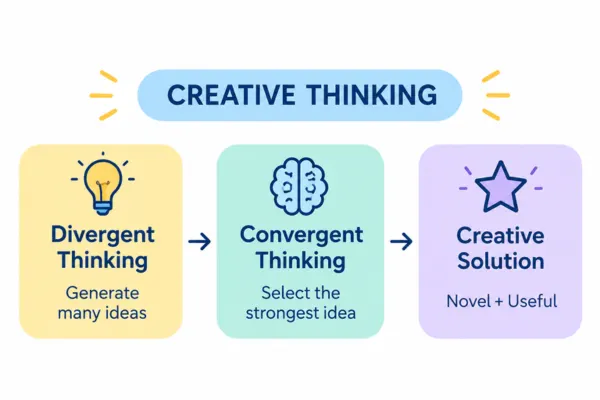
Innovative thinking skills consist of two parts: first, the divergent thinking that brings forward a number of ideas about possible solutions; second, the convergent thinking that finds the best one out of those ideas.
Both of them are based on good subject knowledge rather than replacing it, and both are developed through practice, from small breakthroughs in the classroom to lasting real-world innovation.
Key Benefits for Student Growth
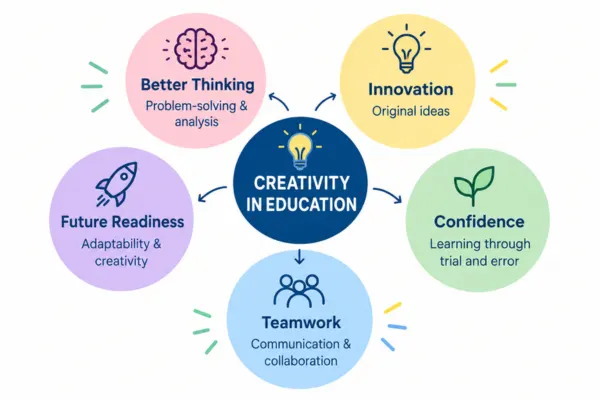
Building Stronger Thinking and Problem-Solving Skills
Creative learning methods enable students to connect theory learnt at school to real-life situations, which turns new concepts into knowledge that sticks. The benefits of creativity in education include stronger analysis, as learners analyse challenges from a variety of perspectives instead of looking for one answer only.
Building Confidence Through Trial and Error
Trial and error within creative projects reframes failure as a natural part of learning, building confidence and a growth mindset. This joyful and stress-free approach also reduces academic anxiety.
Building Teamwork and Communication Skills
Group projects and classroom debates allow children to learn how to express their ideas and thoughts clearly while also respecting various opinions, creating a true sense of belonging for learners of all kinds.
Preparing Students for the Future
The World Economic Forum's Future of Jobs Report lists creative thinking as one of the key skills that employers value most through 2030, along with adaptability and resilience, which cannot be replaced by any automation process.
Creative Thinking in Early Childhood
Early childhood is an important time to help kids nurture their curiosity. According to UNICEF, play is essential for learning, health, and resilience, not just childhood fun.
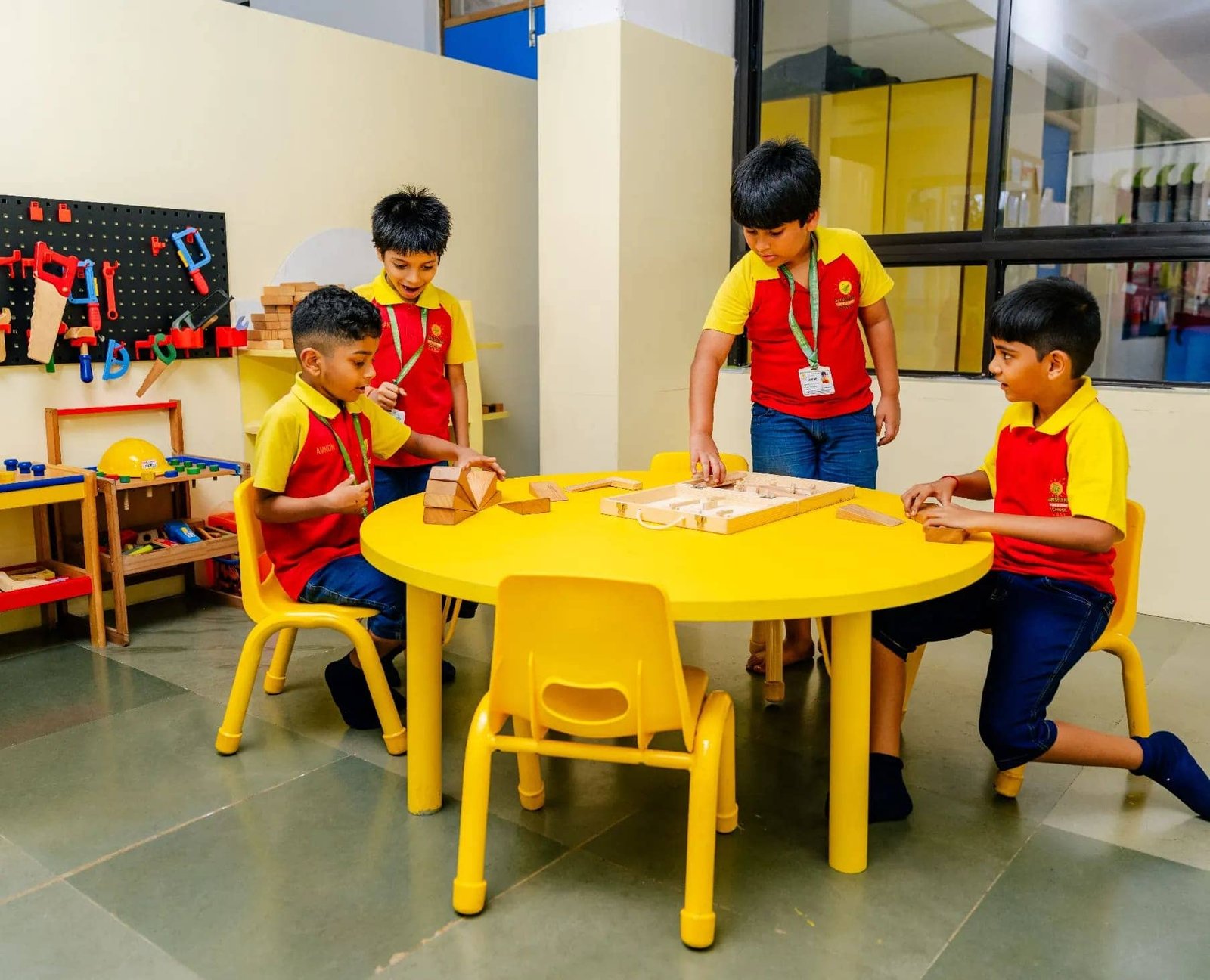
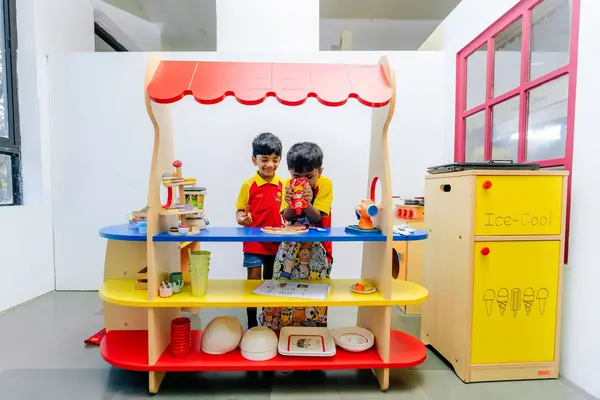
Unstructured play, storytelling, and building tasks boost spatial, linguistic, and emotional growth, which later supports school inquiry.
Practical Creative Classroom Activities
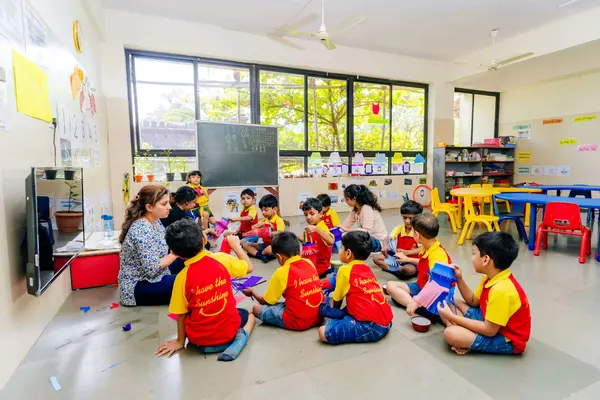
A supportive creative learning environment helps children make mistakes without facing judgement.
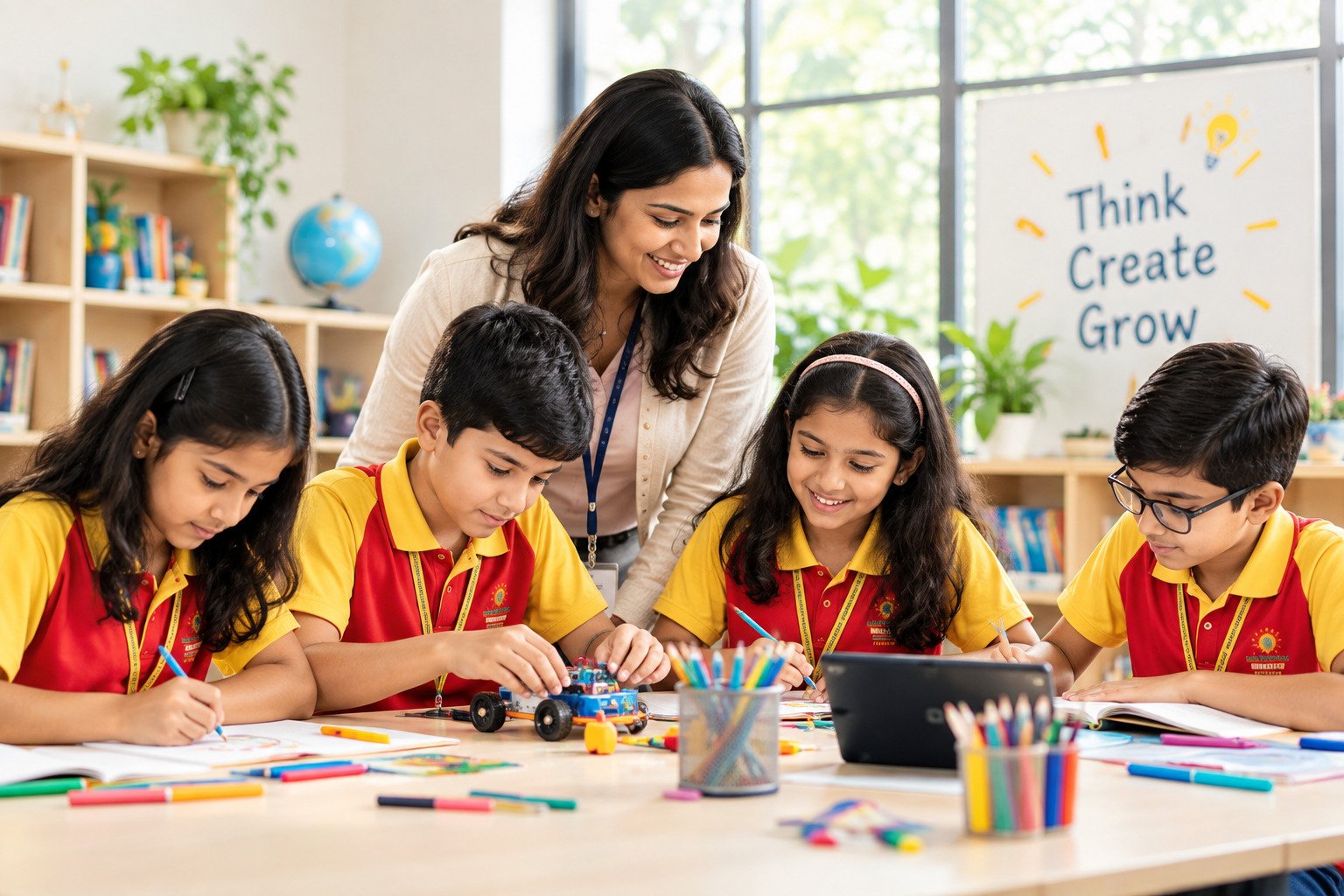
Effective creative learning methods include projects that combine science, maths, and arts with the real problems of the community, along with STEM challenges such as building a bridge using paper and paperclips.
They also include maths tasks that reward more than one way to solve a problem, plus storytelling or podcasting in language class.
These creative thinking activities for students are exactly the kind of hands-on and joyful learning that families are looking for today in Goa's international schools.
Measuring Creativity Beyond Exam Scores
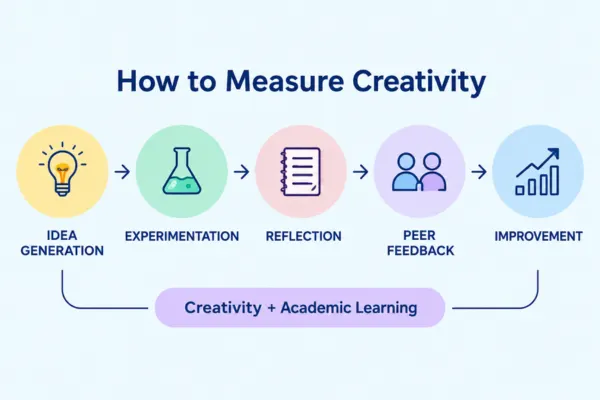
Research from the OECD's PISA creative thinking assessment shows that creative thinking performance is positively related to key academic domains, which means teaching creativity strengthens test scores rather than lowers them.
Evaluating the learning process through reflection journals and peer feedback works alongside traditional grading.
In addition to the use of traditional means of grading, the learning process is evaluated through journals of reflection and peer feedback.
Conclusion
The importance of creative thinking skills lies in preparing children to become great thinkers, build emotional well-being, and create a future that rewards original thinkers. Sunshine Worldwide School, an IB and CBSE school in Old Goa, follows the philosophy of freedom without fear and blends inquiry-based learning with a nurturing campus, where every child discovers the joy of learning while building the creative confidence they will carry for life.
Summary
Creativity in education matters as it builds the adaptability and problem-solving skills important for students in an unpredictable future. According to research by the OECD and World Economic Forum, creative thinking is one of the most important skills employers seek. Schools like Sunshine Worldwide School in Goa combine creativity with learning to raise confident and lifelong learners.
FAQs
Is it possible to teach creative thinking skills, or are they something that we are born with?
Yes, creative skills can be taught. Creativity grows through practice, not just natural talent.
Which creative thinking activities are most useful for students?
Open-ended play, storytelling, and simple design challenges work well. Problem-solving is also an effective way of enhancing creative thinking.
Why is creative thinking important in today’s AI and automation world?
Machines lack the ability of creative problem-solving and adapt, which is why these human skills are becoming crucial in the workplace.
Is there a connection between creativity and lower academic performance?
No, creative learning enhances understanding of concepts. Research shows that creativity correlates positively with academic accomplishment.
Can creativity help in improving student focus and attention span?
Yes, creative activities such as storytelling and hands-on projects break up repetitive lessons, maximising student concentration and boosting productivity.
References
- World Economic Forum, The Future of Jobs Report 2025 - https://www.weforum.org/publications/the-future-of-jobs-report-2025/in-full/3-skills-outlook/
- UNICEF, "Play is not just childhood fun" - https://www.unicef.org/northmacedonia/press-releases/play-not-just-childhood-fun-it-essential-learning-health-and-resilience
- Creative Minds, Creative Schools (PISA) - PISA 2022 Results (Volume III) | OECD