
Introduction
A child's education is a shared effort among teachers, students, and parents. Parent involvement in education means much more than looking at test scores only.
It means working together in a productive learning atmosphere. Strong cooperation between parents and teachers helps children develop academically and feel emotionally secure. Every single step counts, no matter how busy the family is.
Key Takeaways
- Support from parents results in increased academic performance, better attendance, and a smoother path to further studies.
- Reading with your child at a young age is linked to improved reading performance.
- Clear and regular communication helps make meetings between parents and teachers productive problem-solving sessions.
- Small habits like engaging in reading for 15 minutes every day can greatly improve reading performance.
Key Benefits of Parent Involvement in Schools
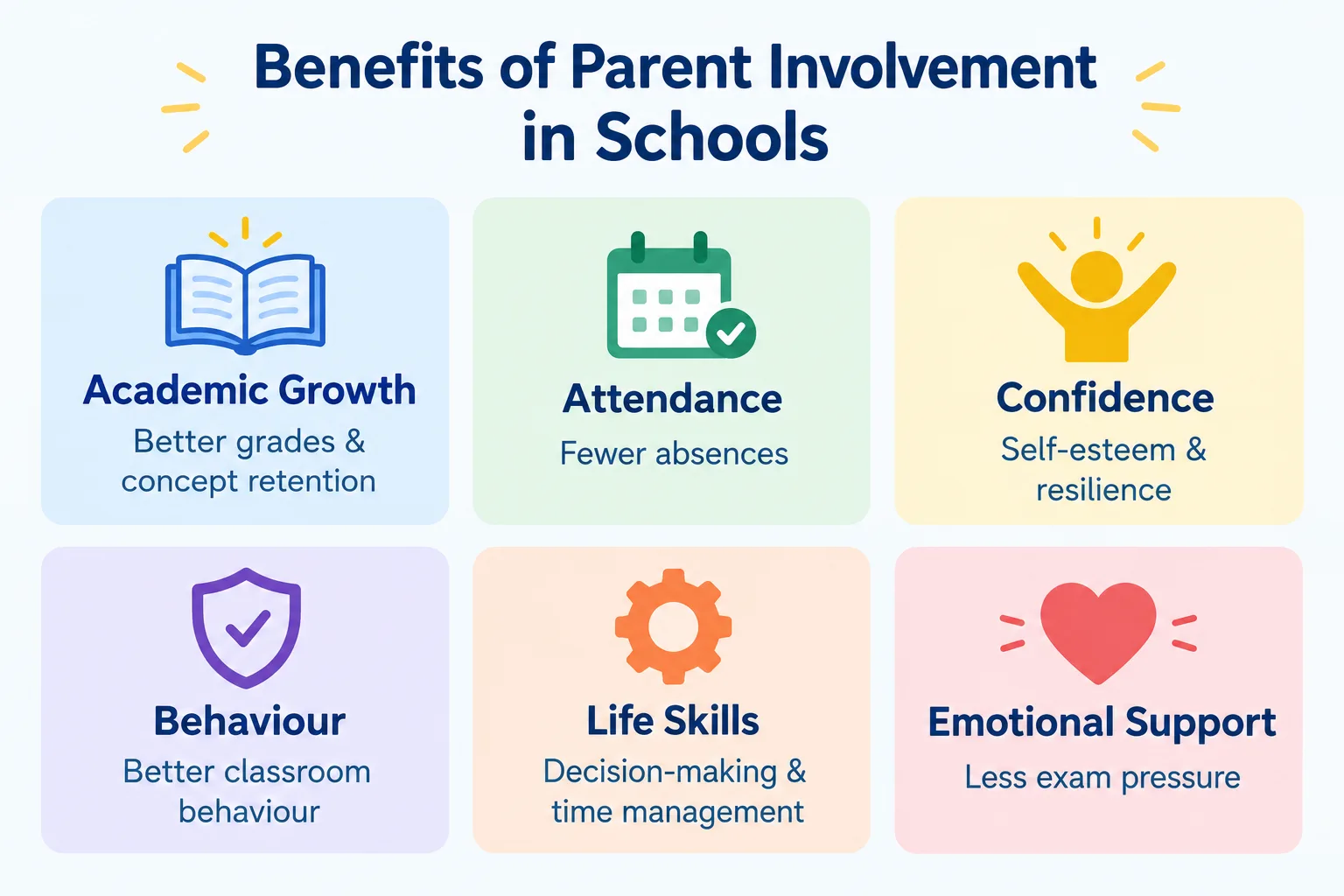
The benefits of parent involvement in schools are many. According to the study by Henderson and Mapp, students with involved parents tend to perform better academically, attend school regularly, and go on to further education.
The main advantages of parental involvement are:
- Stress-free exam preparation with focus placed on effort, not just marks.
- Less disruption in classes, bullying incidents, and absenteeism.
- Stronger willpower, self-confidence, and a growth mindset
- Shared values including respect, integrity, and empathy
- Essential life skills such as time management and decision-making
- Stress-free exam preparation with focus placed on effort, not just marks.
Teachers benefit too. Regular teacher-parent interaction can ease exhaustion and help parents feel more confident.
How Parents Influence Learning
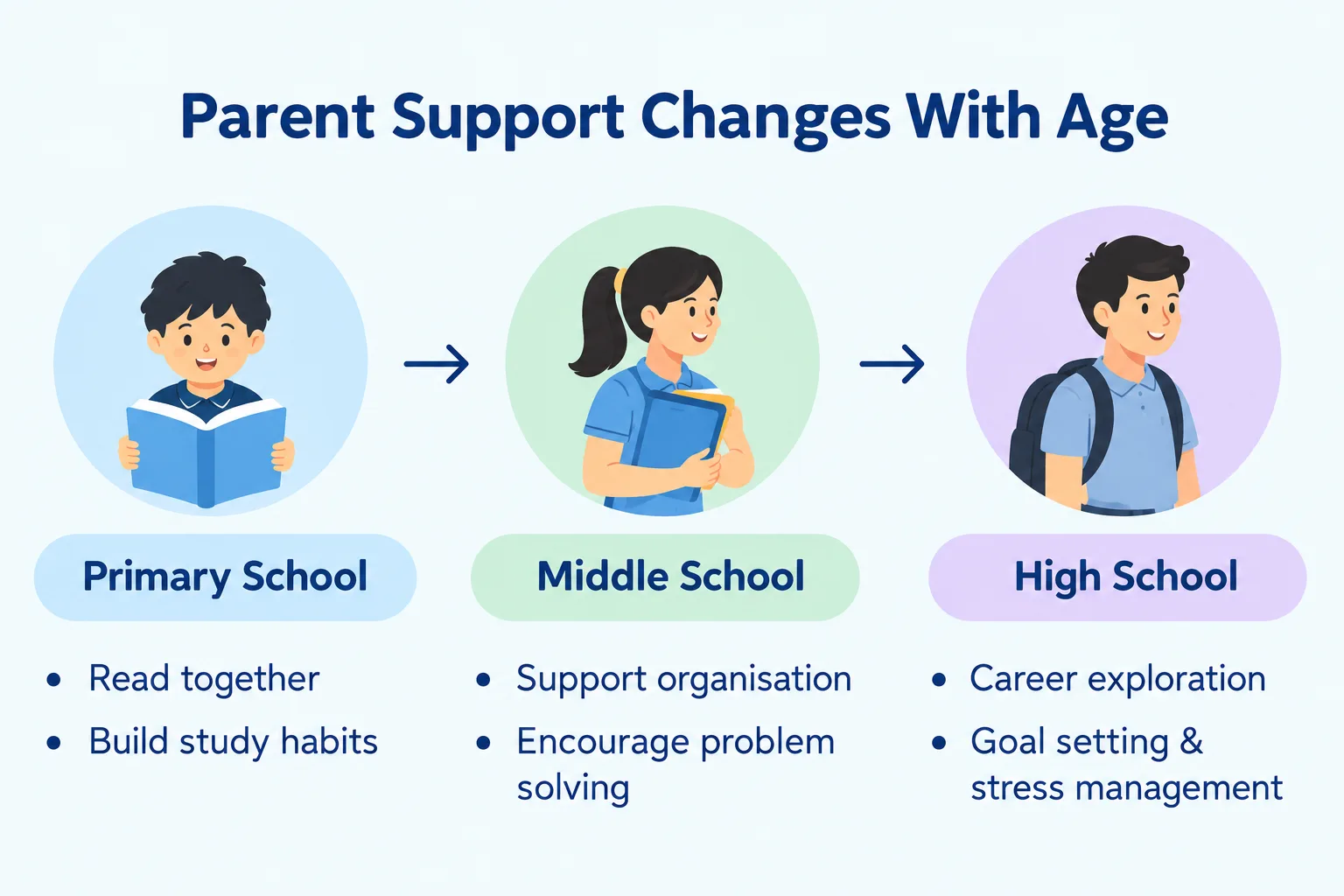
How parents influence learning changes with age.
An OECD PISA study found that teenagers aged 15 years whose parents read to them upon entry to primary school were more likely to have better reading scores.
- Primary: during this phase, the focus is on establishing a reading habit and developing a daily study routine
- Middle school: supporting the organization and the ability to solve problems independently
- High school: discovering career options, setting objectives, and managing stress
Style of parenting matters too. Authoritative parents are caring but set clear rules, unlike strict, easygoing, or uninvolved parents.
Communication Between Parents and Teachers
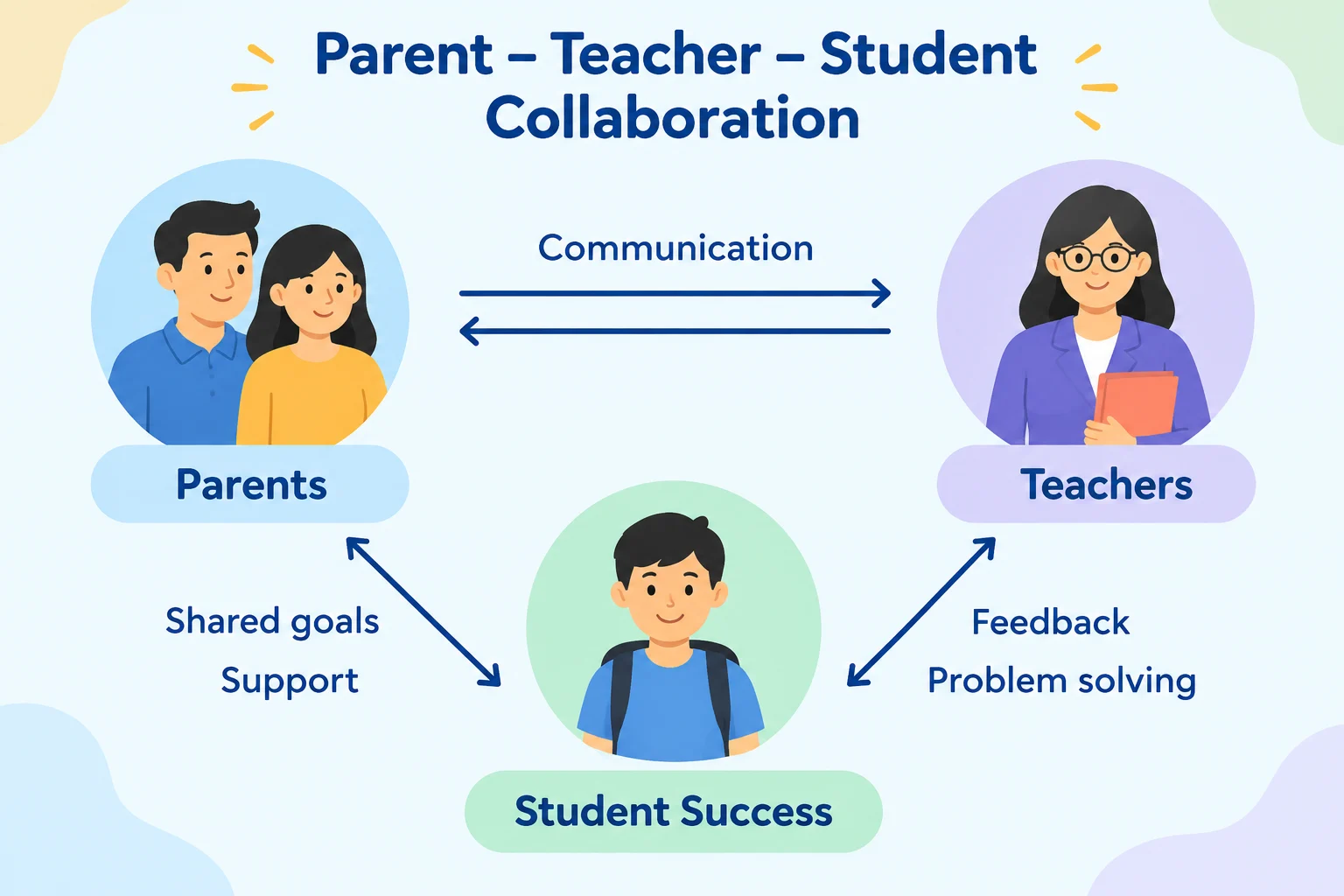
Clear communication between parents and teachers starts early in the academic year. Parents and teachers should use school apps and portals to share information regularly.
During parent-teacher meetings, stop discussing what went wrong and switch to finding solutions. Begin by sharing the strengths, then agree on one or two of the goals that you can achieve.
Simple Parent Engagement Activities at Home
Try these parent engagement activities:
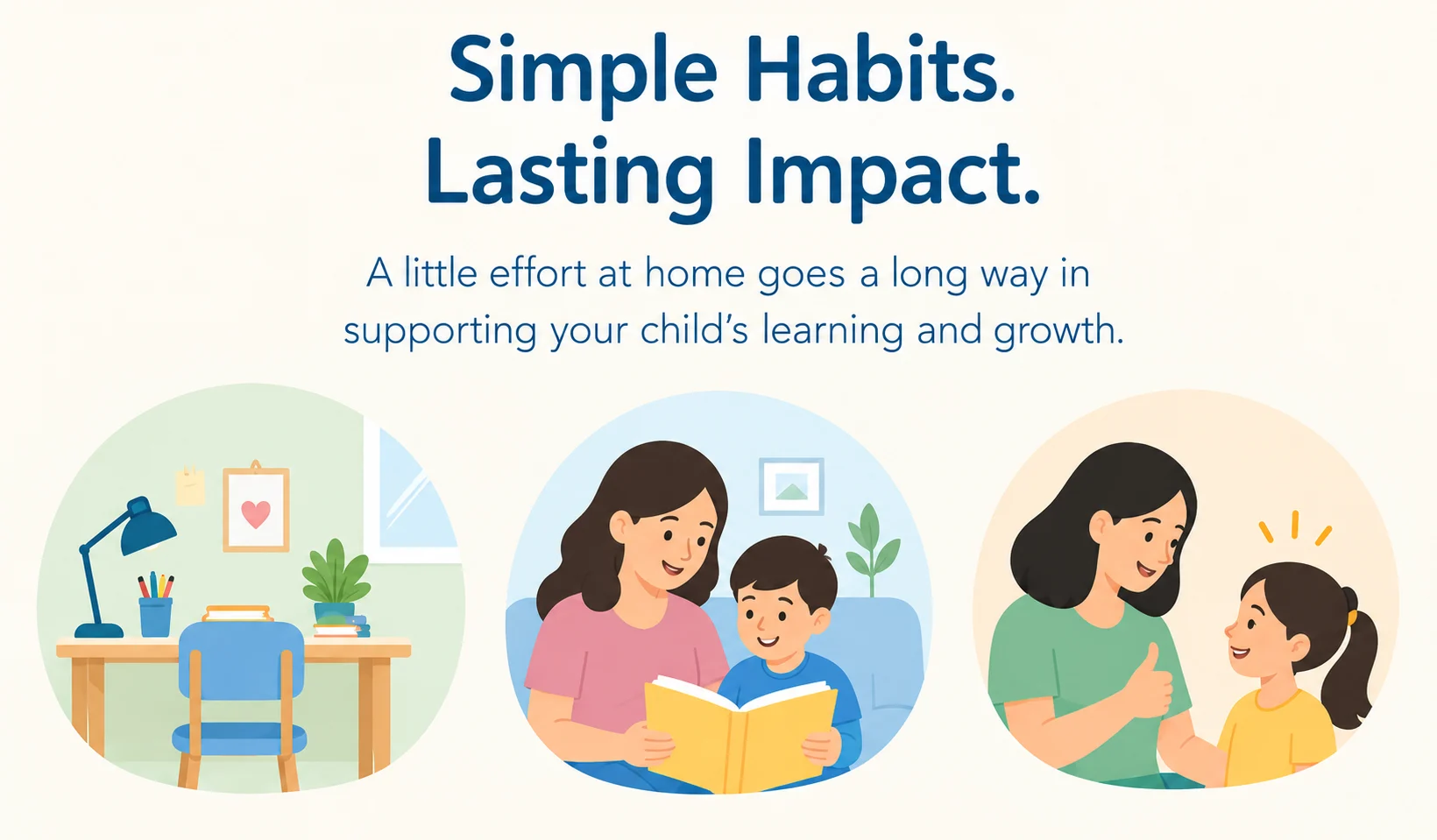
- Set up a place for studying at home away from all the distractions.
- Devote some time to reading books with your child every day.
- Praise not just the grades but the efforts and attempts made by your child.
Such parental engagement in education shows children that learning indeed counts and builds their interest and self-driven motivation.
Overcoming Common Barriers
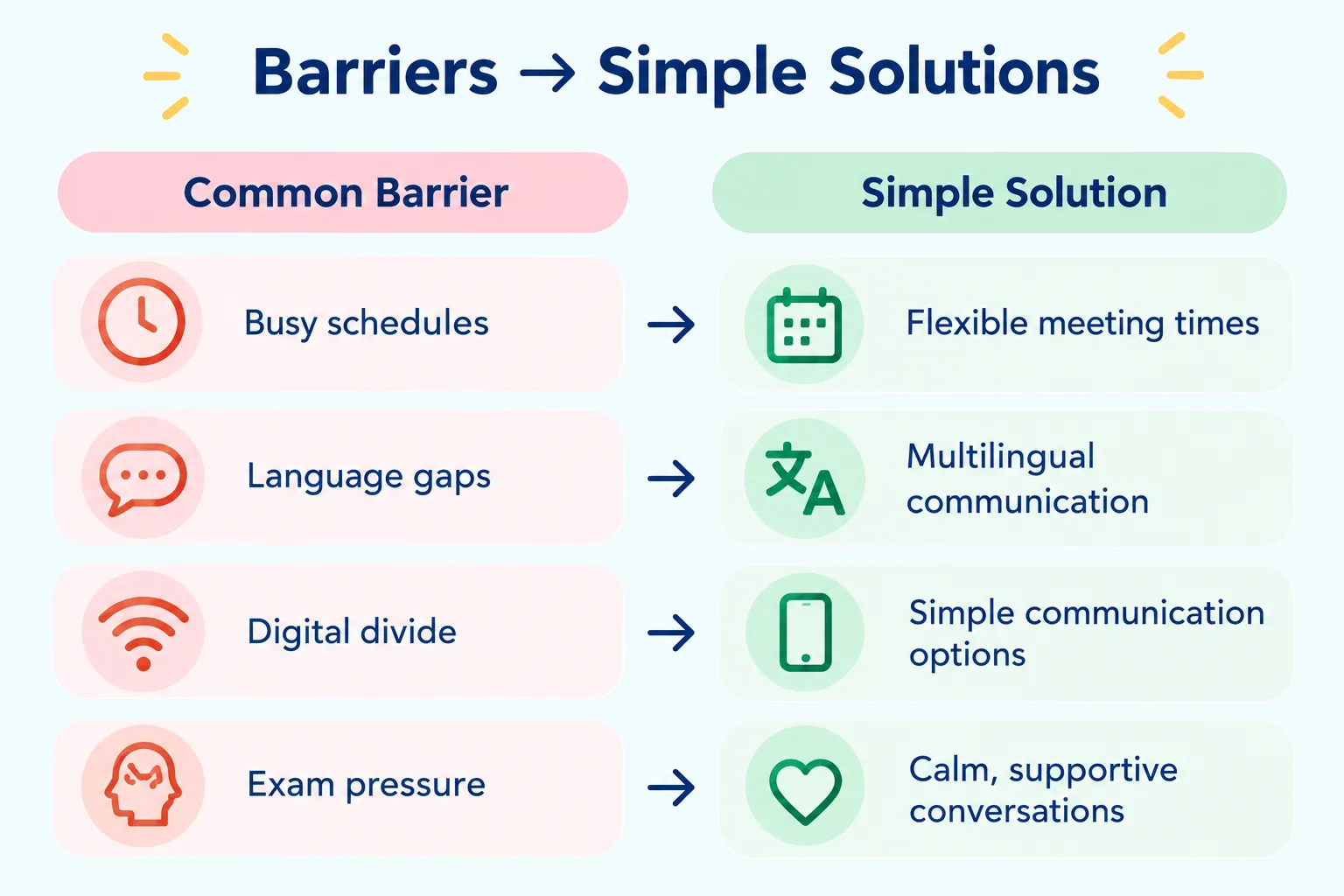
- Parents often have busy schedules, language difficulties, and technology challenges that stop them from being involved.
- Even 10 minutes of conversation, asking how the child is doing or sending a quick message to the teacher, is a good move.
- Schools can help parents' involvement by providing flexible hours for meetings and easy updates made in multiple languages.
During exams, be positive and supportive rather than pressuring your child.
A School That Welcomes Families
Sunshine Worldwide School, located in Old Goa, offers both IB and CBSE curricula. The school’s inquiry-based, holistic, and future-ready approach invites parents to actively participate in learning and not just observe it from the outside.
The school’s Sunshine Parivar community and cultural fests give families regular chances to engage with the school.
Summary
Parents’ participation plays a vital role in the academic success of the child. Research shows that active parents contribute to better grades, attendance, confidence, and emotional security. This blog discusses the benefits of parental involvement, how parents can contribute to the learning process at every age, and practical ways to improve communication and cooperation between parents and teachers.
Conclusion
The collaboration between parents and teachers establishes the base for students’ success and holistic growth.
Make the first move today. Read together with your child, message the teacher, or attend the next meeting. Steady efforts create a strong bond between home and school.
FAQs
1: What is the best way to handle exam stress at home without adding pressure?
Create a peaceful environment at home, reassure your child, and give credit to his/her efforts instead of marks. It is also very important that your child gets enough rest and exercise.
2: Does high parental involvement risk making a child overly dependent?
It happens only when there's a lack of balance. Guide your child and let them make small decisions, so they learn to make independent choices.
3: What can schools do to encourage hesitant and uninvolved parents to take part in school activities?
Don't use guilt-based messaging. Provide supportive workshops that help parents become involved in school events, give them flexible digital updates, and offer family activities that match different schedules.
4: In what ways does parental involvement affect student participation in extracurricular activities?
When parents set realistic expectations, help with scheduling, and attend school events, students become more devoted and persistent.
5: In what way does parent-teacher collaboration help in identifying the learning needs at an early stage?
Regular communication enables parents and teachers to share important observations so learning or emotional difficulties can be caught early and addressed on time.
References
- Henderson, A. T. and Mapp, K. L. (2002). A New Wave of Evidence: The Impact of School, Family, and Community Connections on Student Achievement. SEDL: https://sedl.org/connections/resources/evidence.pdf
- OECD (2012). Let's Read Them a Story! The Parent Factor in Education. OECD Publishing: https://www.oecd.org/en/publications/let-s-read-them-a-story-the-parent-factor-in-education_9789264176232-en.html