Introduction
Today's education involves more than just taking tests. It is not just about educating students to be skilled, well-rounded people; instead, today's education is about helping develop the whole person; that is, it encompasses developing all 4 dimensions of being: Mental, Emotional, Social, and Physical.
This article looks into the need for a holistic educational experience. It defines why it is necessary to develop pre-school-aged children and discusses how utilising a method of holistic education prepares children for their future roles in the global marketplace.
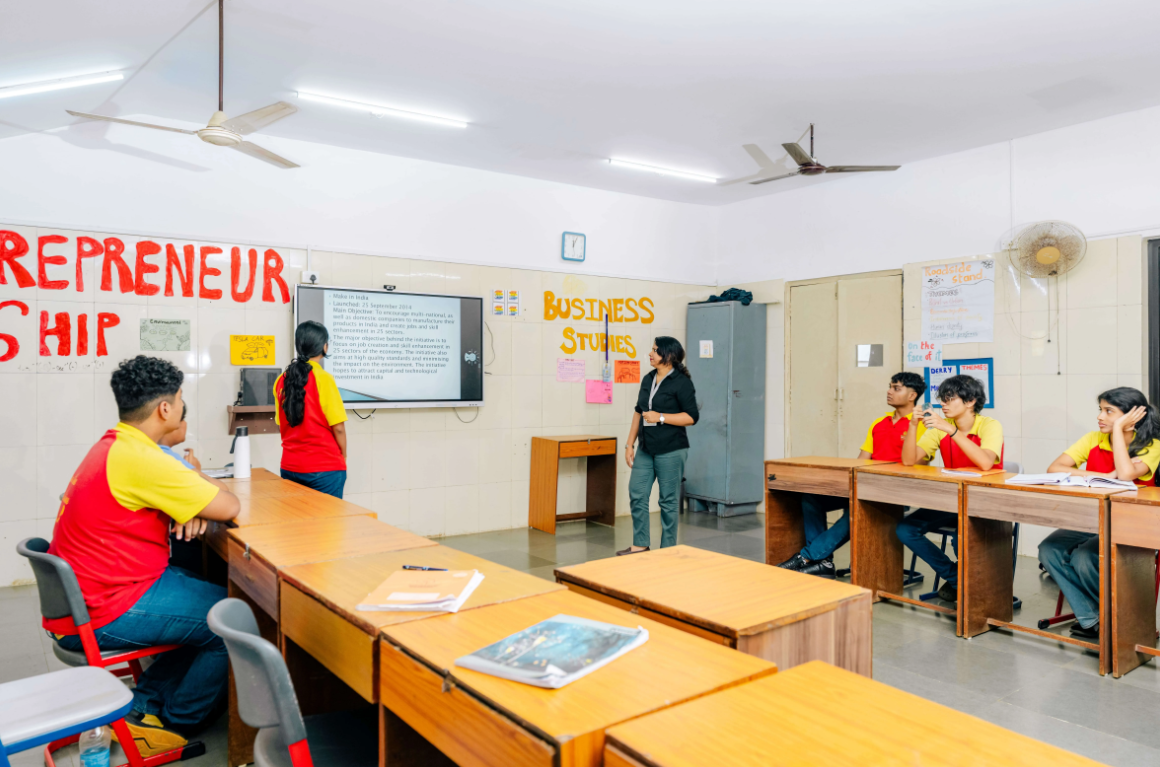
Quick Summary
Importance of Holistic Education:
Holistic education is a complete education system that emphasises a child's overall development (intellectual, emotional, physical and social skills). This blog will define what we mean by "holistic education", why it is so essential, the major benefits of this type of education, and how an educational approach that promotes holistic education will prepare students for life after they graduate from high school.
Key Takeaways
- Holistic education is associated with the complete development of children and not just their academic achievements.
- It is in the first six years of their lives that children will discover the majority of their potential.
- Holistic education will help to develop emotional resilience, creativity and skills for everyday life for students.
- The 'Sunshine Worldwide School' located in Goa provide this same environment for its students.
- The benefits of holistic education to students’ well-being and flexibility far outweigh those of educational programmes based solely on test scores.
What Is Holistic Education?
The holistic approach to education considers the whole child by using a holistic philosophy in developing children (intellectually and/or emotionally/sociably/physically/ethically). Holistic Education is sometimes equated with either Holistic Learning or Holistic Approach to Education. In addition, the term Holistic Education incorporates the definition of Learning provided by UNESCO: "Developing competent and caring human beings."
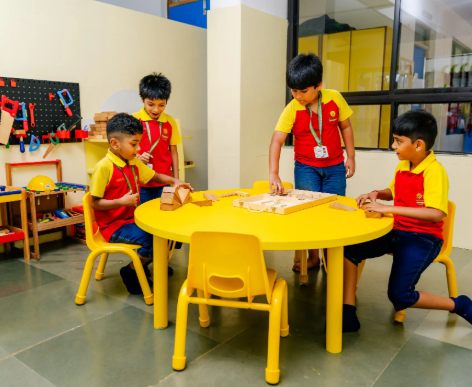
Why Holistic Education Is Important Today
As digital clutter continues to increase and mental health problems among young people grow, we must develop an integrated model for educating children which encompasses all areas of development.
Teaching holistically allows students to learn through real experiences rather than just passing tests; therefore, developing their ability to think creatively and problem-solving, as well as develop emotional stability and resilience.
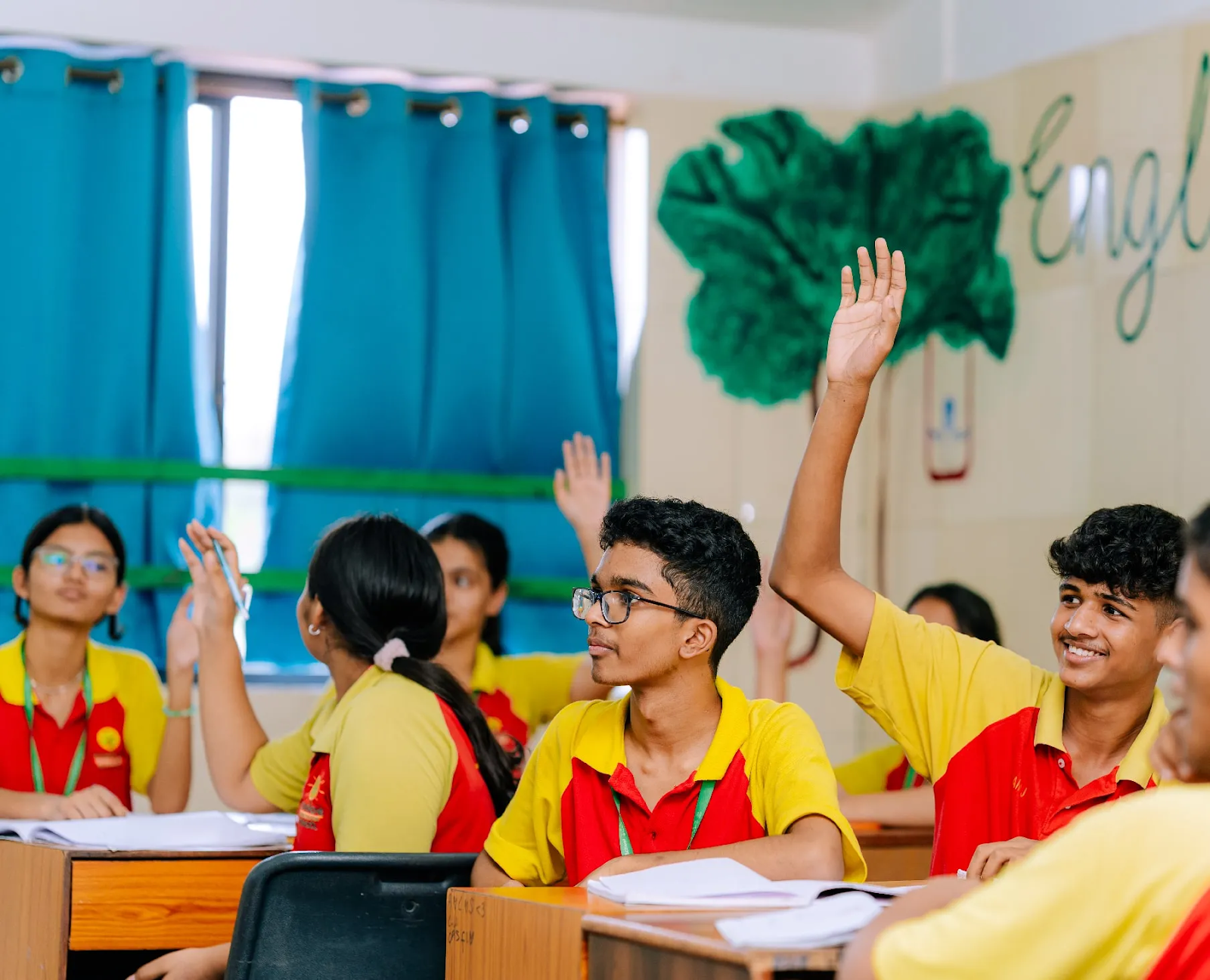
Benefits of Holistic Education
Holistic education has several advantages, such as:
- Increasing students' academic success due to their active participation in learning, improved retention of material they learn, and developing social skills.
- Developing emotional intelligence, for example, developing empathy, teamwork/collaboration and resolving conflicts.
- Additionally, students develop creative and critical thinking skills (using curiosity rather than just memorising).
- Finally, holistic education creates a balance between the student’s mental health and physical health by reducing exhaustion/burnout.
- Increased level of resilience and adaptability/ability to navigate and cope with change.
- Value-based learning—character is built upon integrity and values.
- Career readiness—and success in the 21st century through collaborative effort, leadership, and innovative practices.
Decreasing social/economic inequality—providing supportive environments helps eliminate barriers to participation from disadvantaged children through the promotion of equity in all aspects of learner success.
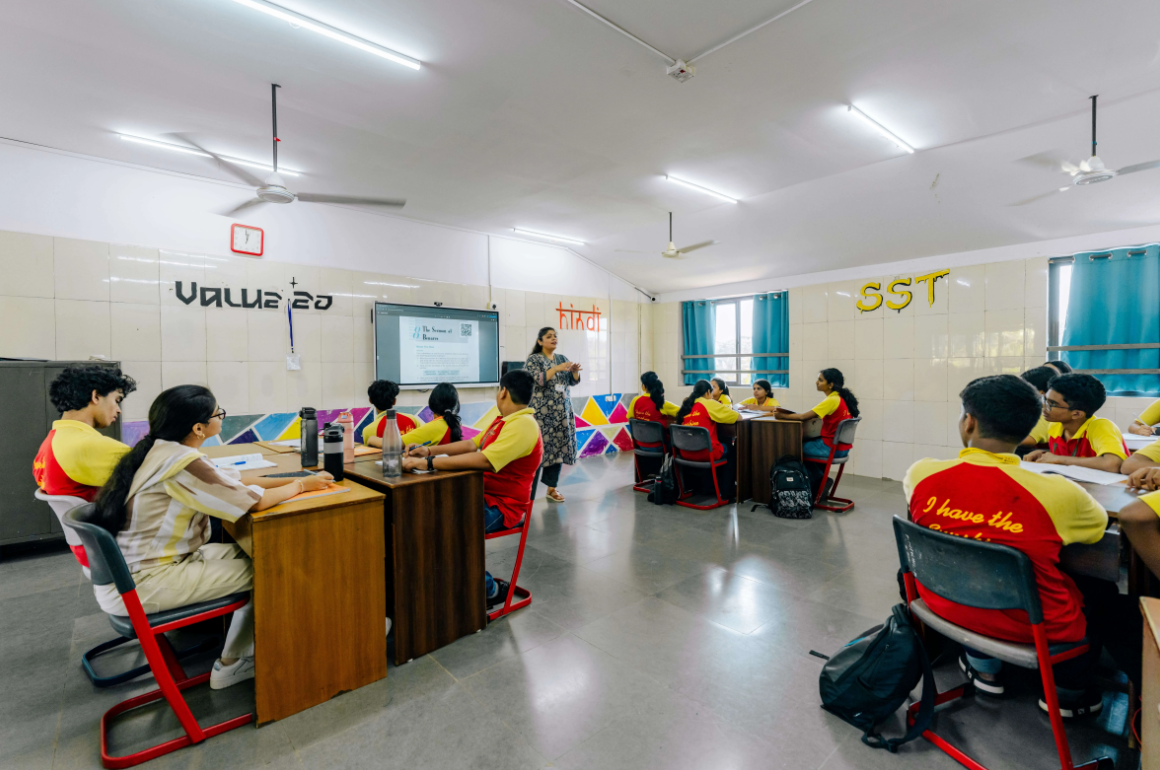
These benefits are brought to life every day at Sunshine Worldwide School in Goa by the IB and CBSE programmes through their nurturing learning environment of freedom, responsibility, and discovery.
Benefits of Holistic Development in Early Years
During the time from birth until age 6, the entire child is formed. Some developmental benefits that can occur are:
- Developing the ability to self-regulate emotions or become aware of who you are in the world;
- Learning how to develop fine motor skills (hand-eye coordination; art) as well as gross motor skills (running);
- Expanding one's vocabulary and ability to communicate through language acquisition;
- Being introduced to social behaviours (sharing, cooperation) with other children;
- Cultivating a natural curiosity about the world and a love for learning, and
- Making a seamless, confident move into the primary school.
Core Elements of a Holistic Learning Approach
Child-Centric Learning
Students' ability to learn at their own speed, gain interest in and develop at their own rate. Teach all children as equal learners.
Integrated, Thematic Curriculum
Real-life themes, such as the theme of "Water" or the theme of "Community", weave together the different subjects and demonstrate the value of a whole childhood education in providing relevant learning opportunities.
Life Skills & SEL
Providing our children with the skills to communicate, empathise and lead with the same level of importance that we do with mathematics because these things are equally important for our future success.
Learning through play
Play is part of learning and not just a break from learning. When a child learns through experience, they will build lasting confidence and deepen their understanding of their learning.
Ongoing and Informal Assessment
Using portfolio, observation, and reflection replaces high-stakes testing. This type of assessment lessens anxiety and celebrates the growth of each student.
Conclusion
Holistic Education prepares children not only to take tests but also for the experience of life itself, so its value is clearly established. A school that embodies this philosophy is Sunshine Worldwide School, where each child's ability to develop to their fullest, without fear and with joy, is promoted.
Frequently Asked Questions
What Does Holistic Education Mean for the Child?
Holistic education focuses on the development of the whole child, including intellectual, emotional, social and physical growth. It creates resilient, creative people who are ready to meet the challenges of life.
What are some Benefits of Holistic Education?
Stronger academic performance, improved emotional intelligence, enhanced critical thinking skills, improved mental health/wellbeing and readiness for 21st century careers are some benefits of holistic educational practices.
How does Holistic Development Assist Young Children?
Holistic development assists children with emotional regulation, developing motor skills, developing language skills and developing a love of learning that will last throughout their lifetime.
How does a holistic approach differ from traditional education systems?
Traditional education systems emphasise test and examination scores, while a holistic approach focuses on the child's growth and development in all areas of their life (not only from the perspective of test scores).
How can parents help support holistic learning at home?
Encouraging curiosity through play, encouraging open discussion and encouraging value-based learning help to further reinforce the child's growing and developing skills outside of school.